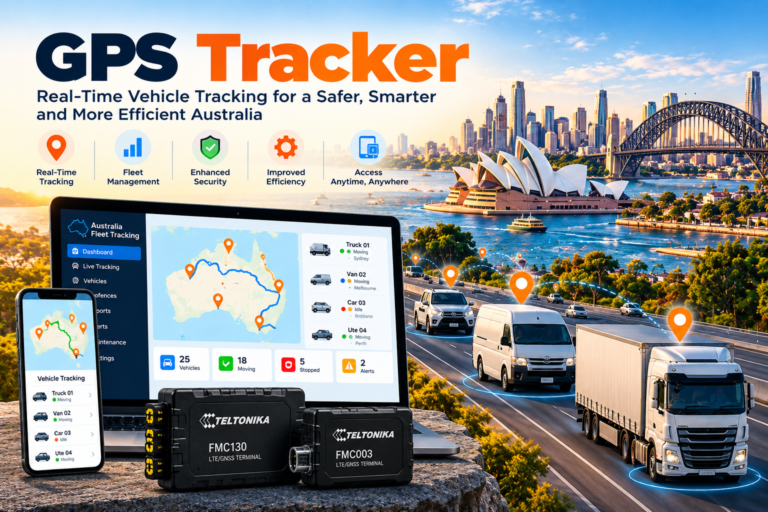
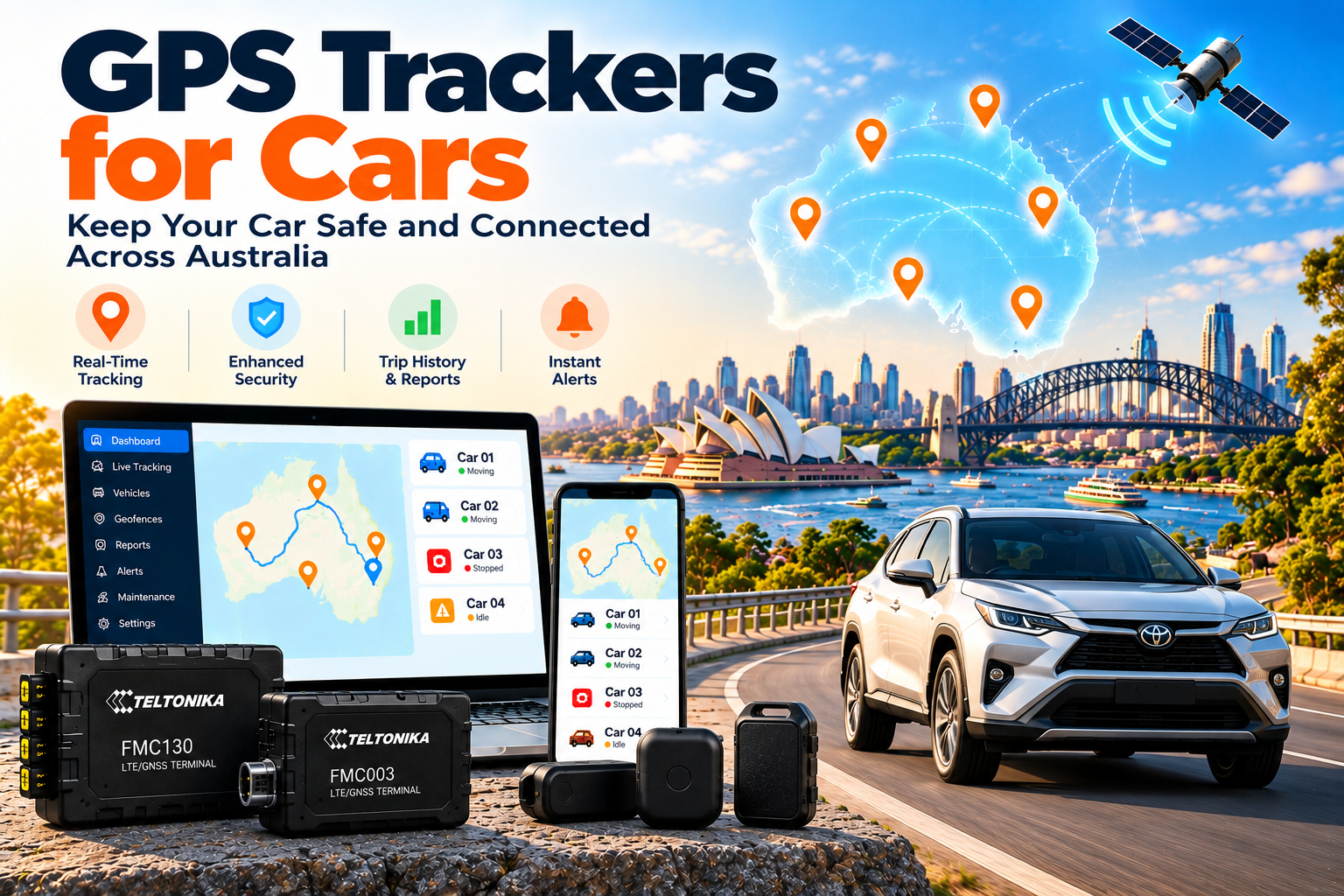
GPS trackers for cars help drivers and businesses check vehicle locations and manage their cars more easily. In Australia, car GPS trackers are useful for private vehicles, company cars, rental cars, and business fleets. They can help you view location information, review trips, and receive alerts when supported by the device.
Choosing the right GPS tracker depends on your vehicle, budget, and tracking needs. Some devices provide basic location updates, while others offer trip history, movement alerts, and fleet management features.
In this guide, we explain how car GPS trackers work, their main benefits, and what to check before buying one.
What Is a GPS Tracker for a Car?
A GPS tracker for a car is an electronic device that helps determine the vehicle’s location using satellite signals. Many trackers send this information through a mobile network to an online platform or smartphone app.
You can then check the reported location from your phone or computer, depending on the tracking service.
For example, a business with several cars can use GPS tracking to see where its vehicles are, review journeys, and manage daily operations. A private vehicle owner may use a tracker to improve vehicle visibility and receive supported alerts.
If you are comparing different options, explore these car tracking devices to learn more about vehicle tracking solutions.
How Do GPS Trackers for Cars Work?
Car GPS trackers generally work in three steps.
- Location detection: The device receives satellite signals and calculates its position.
- Data transmission: A connected tracker sends location information through a supported communication network.
- Location viewing: The tracking platform displays the information on a map or dashboard.
Depending on the model, the system may also provide trip history, movement alerts, and reports.
GPS helps determine location, but remote tracking usually needs a separate communication connection. Network coverage, device settings, and installation can affect how well the system works.
Types of GPS Trackers for Cars
Different car trackers suit different needs. Consider these common types before making a decision.
1. Hardwired GPS Trackers
A hardwired GPS tracker connects to a vehicle’s electrical system. It can be suitable for business vehicles that need a permanent tracking solution.
Installation should follow the manufacturer’s instructions and may require a qualified installer. Before choosing a device, check its power requirements and compatibility with your vehicle.
2. OBD GPS Trackers
An OBD tracker connects to a compatible car’s onboard diagnostic port. This can offer a convenient installation option for vehicles that support the device.
Some models provide vehicle information as well as location data. The available features depend on the tracker and vehicle. Learn more about OBD car tracking to see whether this option suits your needs.
3. Portable GPS Trackers
Portable trackers can be moved between suitable vehicles or assets, depending on their design. Battery life, charging needs, signal coverage, and mounting options are important factors to consider.
Check whether the device provides remote GPS tracking or relies on another technology, such as Bluetooth.
4. GPS Trackers for Business Fleets
Businesses that manage several cars may benefit from a fleet tracking platform. It can help managers view multiple vehicles through one dashboard and review available trip