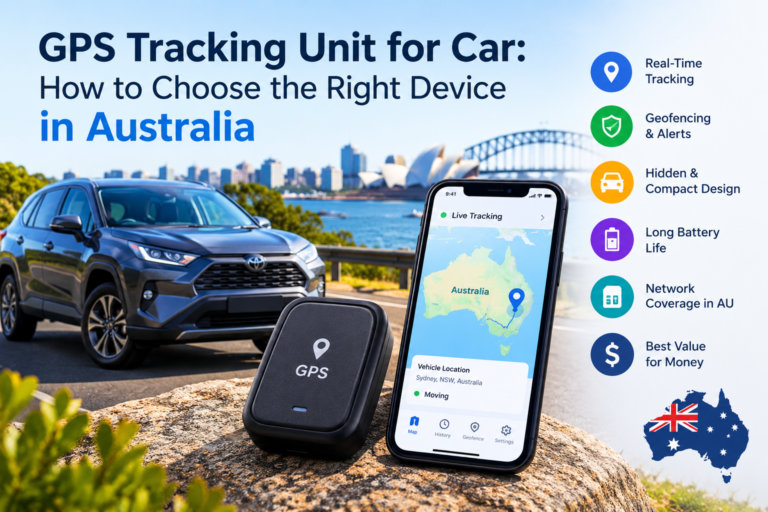
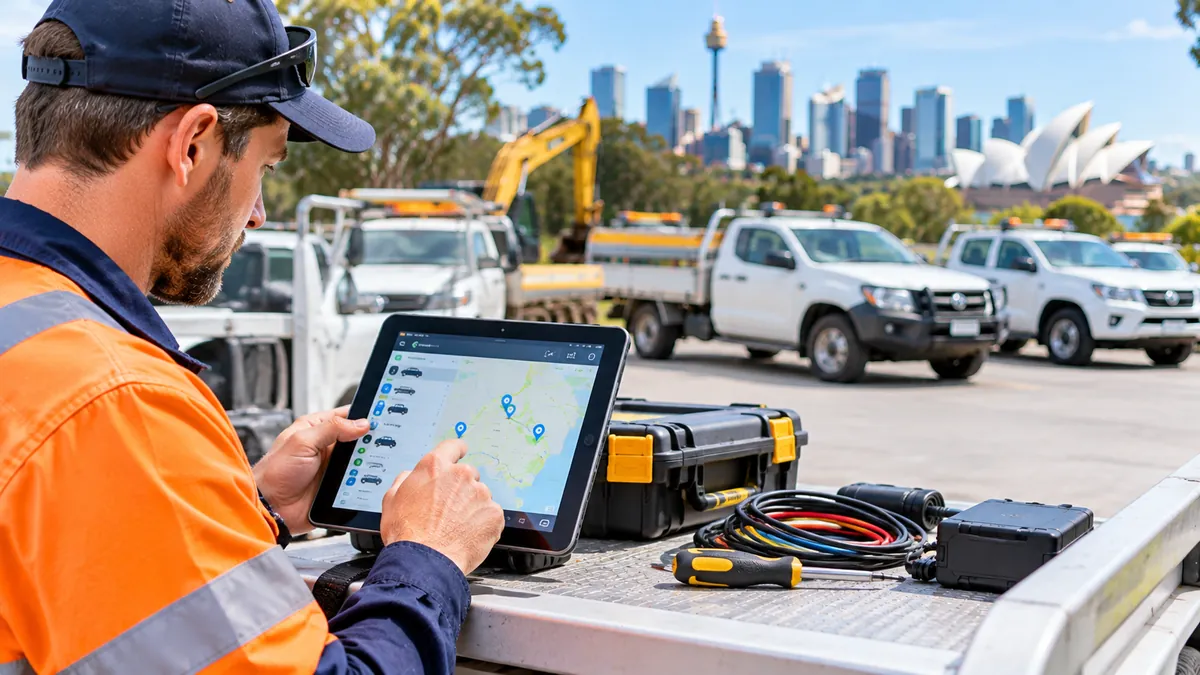
Choosing the right GPS tracker is important for businesses that want to monitor vehicles, equipment and valuable assets. However, not every GPS tracking device is designed for the same purpose. Some trackers connect directly to a vehicle’s power supply, while others use built-in batteries to monitor assets without a permanent power connection.
For Australian businesses, selecting the right GPS tracking device also means considering network coverage, environmental conditions, battery life and ongoing costs. Whether you manage trucks, cars, trailers, construction equipment or agricultural machinery, the right tracking solution can improve visibility and help you manage your assets more effectively.
At Australia Fleet Tracking, businesses can explore different GPS tracking solutions for vehicle monitoring, fleet management and asset tracking. This practical guide explains the main types of GPS trackers, their features and how to choose a device that suits your requirements.
Wired Vehicle Tracking Devices: Reliable Power and Rich Data
Wired GPS tracking devices are designed to connect directly to a vehicle’s electrical system. They are commonly used in cars, trucks, vans and commercial fleets where continuous power is available.
Unlike battery-powered trackers, wired devices receive power from the vehicle battery. This makes them suitable for long-term vehicle monitoring without depending on a small internal battery for normal operation.
Key Benefits of Wired GPS Trackers
1. Continuous Power Supply
A wired GPS tracker receives power from the vehicle’s electrical system. This reduces the need for regular battery charging or replacement.
2. Real-Time Vehicle Monitoring
Depending on the device configuration and mobile network availability, wired trackers can send regular location updates to a GPS tracking platform. Fleet managers can check vehicle positions and review journey history.
3. Access to Vehicle Data
Some wired GPS trackers support additional inputs and vehicle data connections. Depending on the model and installation, businesses may monitor ignition status, digital inputs, analogue signals and other available information.
4. Suitable for Commercial Fleets
Wired trackers are useful for businesses managing multiple vehicles. They can support fleet visibility, vehicle movement monitoring and operational reporting.
When Should You Choose a Wired GPS Tracker?
Consider a wired GPS tracker if you:
- Operate trucks, cars or commercial vans.
- Need long-term vehicle monitoring.
- Want ignition and vehicle activity information.
- Manage several vehicles from one platform.
- Need a permanent tracking installation.
Explore our truck GPS tracking solutions for commercial vehicle monitoring.
Battery-Powered Asset Tracking Devices for Flexible Monitoring
Not every asset has a permanent power supply. Trailers, shipping containers, machinery and other valuable equipment may move between different locations without being connected to a vehicle’s electrical system.
Battery-powered GPS trackers offer a flexible solution for these situations.
These devices use built-in batteries to collect and transmit location information. Depending on the tracker, they may be configured to report at selected intervals, when movement is detected or when certain conditions are met.
Key Benefits of Battery-Powered Trackers
1. Flexible Installation
Battery-powered trackers do not normally require a permanent connection to an external power supply. This makes them suitable for assets where hardwired installation is difficult.
2. Independent Asset Monitoring
Businesses can monitor equipment and assets separately from the vehicles transporting them. For example, a company can track a trailer even when it is disconnected from the truck.
3. Longer Battery Operation
Some battery-powered tracking devices are designed for extended operation. Actual battery life depends on battery capacity, reporting frequency, network conditions, temperature and device configuration.
4. Movement Alerts
Compatible devices can support movement detection and configurable alerts. These features can help businesses identify unexpected asset movement.
When Should You Choose a Battery-Powered Tracker?
Consider this type of tracker if you:
- Need to monitor trailers or shipping containers.
- Manage equipment without a permanent power supply.
- Want flexible installation.
- Need to monitor assets across multiple locations.
- Want to reduce wiring requirements.
Explore our asset tracking solutions to understand how GPS technology can help monitor valuable business equipment.
What to Look for in a GPS Tracker
Choosing a GPS tracker involves more than comparing prices and product specifications. The device must suit the asset, operating environment and tracking requirements.
Here are some important features to consider before making a purchase.
1. GPS Accuracy and Tracking Updates
Check how frequently the device can report its location. Some businesses need frequent location updates, while others only need occasional reports about asset movement.
For example, a delivery company may require regular truck location updates. A business monitoring stored equipment may only need periodic location reports.
2. Battery Life and Power Requirements
Power requirements are different for wired and battery-powered devices.
For vehicle tracking, check the supported supply voltage and installation requirements. For battery-powered devices, consider battery capacity, expected reporting frequency and replacement or charging options.
3. Network Connectivity
A GPS tracker needs a suitable communication method to send location information to its tracking platform.
Check whether the device supports the mobile network technology available in your operating areas. This is particularly important for Australian businesses operating across regional and remote locations.
4. Geofencing and Alerts
Geofencing allows businesses to create virtual boundaries around selected locations.
A tracking platform can generate alerts when a vehicle or asset enters or leaves a configured area. This can help businesses monitor vehicle movement and improve asset security.
5. Software Compatibility
The tracking device and software platform must work together.
Before purchasing, check whether the tracker is supported by your preferred GPS tracking platform. Also consider features such as journey history, reports, notifications and multi-vehicle monitoring.
6. Installation and Maintenance
Some trackers require professional installation, while others can be fitted with less complex installation work.
Check the installation process, device protection rating, maintenance requirements and available technical support before making your decision.
Environmental Conditions
Environmental conditions can have a major impact on GPS tracking performance and device reliability.
A tracker installed inside a passenger car may face very different conditions from a device fitted to mining equipment, agricultural machinery or an exposed trailer.
Australian businesses should consider the following factors.
Temperature and Heat Exposure
Australia experiences high temperatures in many regions, particularly during summer. Vehicles and equipment parked outdoors can experience significant heat exposure.
Check the operating temperature range specified by the manufacturer. Make sure the tracker is suitable for the conditions where it will be installed.
Water and Dust Protection
Mining sites, farms and construction areas can expose tracking devices to dust, moisture and dirt.
Look for the manufacturer’s IP rating when choosing a device for demanding environments. A suitable protection rating can help reduce the risk of damage from dust and water.
Vibration and Physical Impact
Heavy vehicles and machinery often operate on rough roads and uneven surfaces. Constant vibration can affect poorly installed electronic equipment.
Choose a tracker designed for the intended application and ensure it is mounted securely according to the installation instructions.
Outdoor Installation
If a tracker is installed outside a vehicle or on exposed equipment, consider its housing, mounting position and antenna requirements.
A suitable device should match the environmental conditions of the asset rather than simply having the lowest purchase price.
Network Coverage
Network coverage is one of the most important factors when choosing a GPS tracker in Australia.
GPS satellites help determine a device’s location, but mobile network connectivity or another supported communication method is generally needed to transmit that information to a remote tracking platform.
This means a tracker may calculate its location even when it cannot immediately send an update to the server.
Why Network Compatibility Matters
Australian businesses may operate vehicles across major cities, regional highways, agricultural areas and remote mining locations.
Mobile coverage can vary significantly between these areas. A device that works well in metropolitan Sydney may experience communication gaps in a remote operating location.
Before purchasing a tracker, check:
- Supported 4G LTE bands and network technologies.
- Compatibility with Australian mobile network providers.
- SIM card and data plan requirements.
- Coverage across your operating locations.
- Network availability in regional and remote areas.
- Available fallback or alternative communication options.
It is also important to check whether the device relies on older 2G or 3G technology. Network operators have been transitioning away from these technologies, so businesses should select compatible hardware with current network requirements in mind.
Australia Fleet Tracking offers GPS tracking hardware from Teltonika, including devices designed for different vehicle tracking applications. Always check the specifications of the selected model before installation.
Industry Examples of GPS Tracking in Action
Different industries have different tracking requirements. Understanding how GPS technology is used in real business operations can help you select the right device.
1. Transport and Logistics
Transport companies need to monitor trucks, manage delivery routes and improve vehicle visibility.
Wired GPS trackers are often suitable because they can connect to the vehicle’s electrical system and support regular location reporting.
Businesses can explore our fleet management solutions to understand how GPS tracking can support transport operations.
2. Agriculture and Farming
Agricultural businesses often manage tractors, utility vehicles, machinery and other valuable equipment across large properties.
Battery-powered trackers can be useful for equipment without a permanent power supply, while wired trackers can support vehicles and machinery with suitable electrical systems.
Learn more about GPS tracking for agriculture.
3. Mining and Construction
Mining and construction businesses may operate in remote areas with challenging environmental conditions.
For these applications, businesses should consider device durability, operating temperature, dust and water protection, and mobile network availability.
Explore our GPS tracking solutions for mining for more information.
4. Courier and Delivery Services
Courier companies often manage several vehicles travelling between warehouses, distribution centres and customer locations.
Wired GPS tracking devices can provide regular vehicle location information and help managers review delivery journeys.
Discover our GPS tracking for courier companies solutions.
5. Personal and Business Vehicle Monitoring
Businesses and individuals may also need to monitor cars, vans and other road vehicles.
A suitable wired or plug-in GPS tracker can provide vehicle location information, depending on the device and installation.
Explore our car tracking devices to find options for vehicle monitoring.
Balancing Cost and Value in Tracking Solutions
Price is an important consideration when buying a GPS tracker. However, choosing the cheapest device may not always deliver the best long-term value.
A suitable tracking solution should meet your operational needs without adding unnecessary costs.
1. Consider the Total Cost of Ownership
The purchase price is only one part of the overall cost.
Before choosing a device, consider:
- GPS tracking hardware costs.
- Installation charges.
- SIM card and mobile data costs.
- Tracking software subscriptions.
- Battery replacement or charging requirements.
- Maintenance and technical support.
Comparing these costs will give you a clearer picture of the long-term investment.
2. Avoid Paying for Unnecessary Features
Not every business needs advanced telematics.
If you only want to monitor vehicle locations, a basic GPS tracker may be sufficient. However, businesses that need ignition monitoring, vehicle data or additional inputs should consider a more capable device.
Choose features based on your actual business requirements.
3. Consider Future Business Growth
Your tracking requirements may change as your business grows.
A suitable GPS tracking platform should allow you to add more vehicles or assets without having to replace your entire tracking setup.
Scalability is especially important for transport, logistics and equipment rental businesses.
4. Evaluate Long-Term Business Benefits
GPS tracking can help businesses improve vehicle visibility, review journeys, monitor asset movement and make better operational decisions.
The value comes from how effectively a business uses the available tracking information.
Rather than focusing only on the initial purchase price, consider the potential benefits over the expected operating life of the device.
Final Thoughts: Choose a GPS Tracker That Matches Your Requirements
Choosing the right GPS tracker starts with understanding what you need to monitor.
Wired vehicle tracking devices are generally suitable for cars, trucks and commercial fleets that have a reliable power supply. Battery-powered asset trackers offer more flexibility for trailers, machinery and equipment that cannot remain connected to an external power source.
You should also consider environmental conditions, Australian network coverage, software compatibility, installation and total ownership costs.
At Australia Fleet Tracking, we help businesses explore GPS tracking hardware and solutions for different vehicle and asset monitoring requirements.
Whether you need to track a single vehicle, manage a commercial fleet or monitor valuable equipment, choosing the right tracking technology can help improve visibility and support better business decisions.
Visit Australia Fleet Tracking to explore our GPS tracking solutions or contact our team to discuss the right tracking device for your application.
Choose the right GPS tracker. Monitor what matters. Manage your assets with confidence.