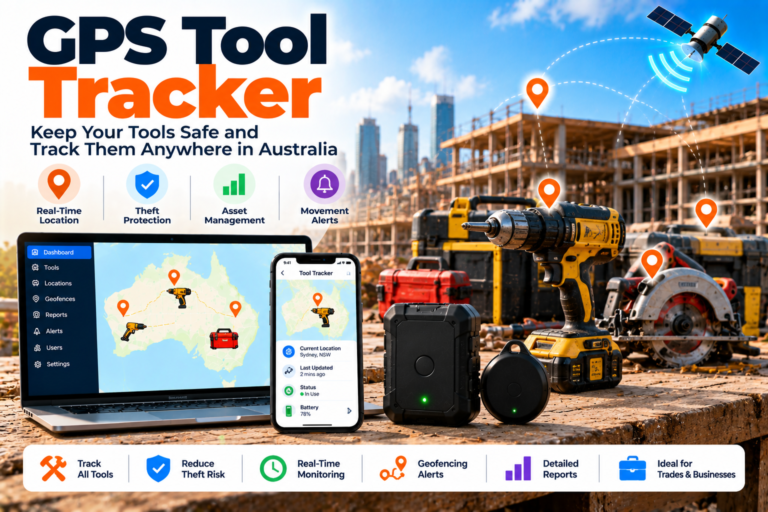
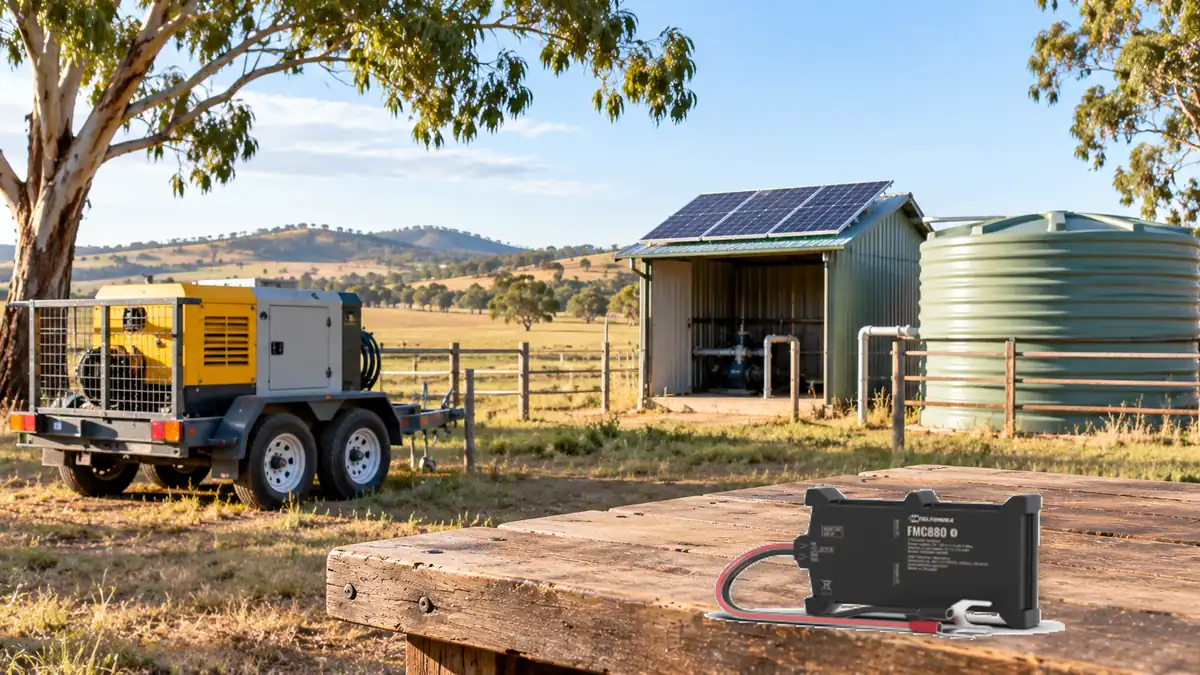
Keeping track of valuable equipment can be difficult when assets operate across multiple worksites, storage yards and remote locations. Construction companies, transport operators, agricultural businesses and equipment rental providers often manage machinery that does not have a constant power supply.
A Long Battery Life Asset Tracker offers a practical way to monitor these assets without relying on frequent battery charging or replacement. These tracking devices use an internal battery to collect and transmit location information according to their configured reporting schedule.
From commercial trailers and generators to construction machinery and portable equipment, battery-powered GPS tracking can help businesses maintain better visibility over valuable assets.
For Australian businesses with equipment spread across large areas, choosing a tracker with suitable battery capacity and reporting settings can make asset monitoring easier.
This guide explains how long battery life asset trackers work, which features to consider, what affects battery performance and how businesses can select a suitable GPS tracking solution.
What Is a Long Battery Life Asset Tracker?
A long battery life asset tracker is a GPS tracking device designed to monitor the location of an asset using an internal rechargeable or replaceable battery.
Unlike hardwired GPS trackers, battery-powered devices can operate independently of a vehicle or machinery power supply.
The tracker collects location information and sends it to a connected tracking platform through a supported communication network.
Depending on the model, a long battery life asset tracker may include:
- Internal battery
- GPS location monitoring
- Scheduled location updates
- Movement detection
- Geofencing alerts
- Historical location records
- Low-battery notifications
- Remote monitoring
- Compact and discreet installation
Not every device offers all these functions. Battery capacity, reporting frequency, connectivity and software features vary between models.
Why Do Businesses Need a Long Battery Life GPS Asset Tracker?
Many commercial assets do not have a convenient or continuous power source. Some equipment remains unused for extended periods, while other assets move between different locations.
A battery-powered tracker can help businesses monitor these assets without connecting every device directly to an external power supply.
1. Monitor Assets Without Constant Charging
A suitable battery-powered GPS tracker can operate independently for extended periods, depending on its battery capacity and configuration.
This can reduce the need for frequent charging compared with devices that have smaller batteries or more frequent reporting settings.
2. Track Equipment Without a Permanent Power Supply
Portable equipment, generators and trailers may not have a suitable electrical connection for a conventional hardwired tracker.
A battery-powered asset tracker can be installed on compatible equipment without relying on its main electrical system.
3. Improve Asset Security
Businesses may leave valuable equipment unattended at construction sites, storage yards and temporary project locations.
A compatible tracker can provide location updates and movement alerts when unexpected activity occurs.
Some devices also support geofencing, allowing users to receive notifications when an asset enters or exits a defined area.
GPS tracking cannot guarantee theft prevention or recovery, but it can provide useful information when equipment moves unexpectedly.
4. Monitor Assets Across Remote Locations
Businesses operating across large properties or multiple project sites may find regular physical inspections time-consuming.
A GPS tracking platform can help authorised users review the reported locations of connected assets remotely.
Communication coverage still matters. The tracker needs a supported network to transmit its location information.
5. Reduce Equipment Management Work
When a business manages several portable assets, keeping manual location records can become difficult.
A central tracking platform can help staff check the location history of connected equipment and coordinate asset allocation.
How Does a Long Battery Life Asset Tracker Work?
A battery-powered GPS asset tracker generally works through three main stages.
Step 1: GPS Positioning
The tracker receives signals from navigation satellites and calculates its geographical position.
The device may collect location information at scheduled intervals or when supported movement conditions are detected.
Step 2: Location Data Transmission
The tracker sends its location information through a supported communication network, such as cellular connectivity.
The frequency of transmission depends on the device, network availability and selected settings.
Step 3: Remote Monitoring
The tracking platform receives the transmitted information and displays the reported asset location on a digital map.
Depending on the software, users may also access location history, movement alerts, geofencing and battery status.
What Determines the Battery Life of an Asset Tracker?
Battery life is one of the most important factors when selecting a battery-powered GPS tracker. However, the advertised battery duration is not the only detail businesses should consider.
Actual performance depends on several operating conditions.
1. Battery Capacity
Battery capacity affects how much energy the tracker can store.
A higher-capacity battery may support longer operation, but battery size alone does not determine how long a device will last.
The tracker’s power consumption and operating settings also matter.
2. GPS Reporting Frequency
Frequent location updates generally require more power.
For example, a tracker configured to report several times throughout the day may consume less energy than one configured for very frequent updates.
Businesses should select a reporting schedule that matches their monitoring requirements.
3. Movement Detection
Some asset trackers use motion sensors to detect when equipment starts moving.
Depending on the device, movement-based reporting can help reduce unnecessary location updates while an asset remains stationary.
4. Network Signal Strength
The tracker needs a suitable communication connection to send location information.
Poor network coverage can affect transmission and may increase power consumption on some devices as they attempt to reconnect.
5. Environmental Temperature
Very hot or cold operating conditions can affect battery performance.
Businesses should review the manufacturer’s operating temperature specifications before installing a tracker in an exposed location.
6. Device Configuration
Features such as frequent reporting, alerts and communication settings can influence power usage.
The best configuration balances battery life with the level of location visibility required by the business.
Which Assets Can Use Long Battery Life GPS Trackers?
Battery-powered tracking devices can be useful for different types of commercial equipment, provided the tracker is suitable for the asset and operating environment.
Commercial Trailers
Trailers may remain parked at depots, warehouses, customer sites and temporary storage areas.
A battery-powered GPS tracker can help businesses monitor trailer locations without depending on the trailer’s electrical system.
Explore Trailer and Truck Tracking for more information.
Construction Equipment
Construction businesses manage machinery across different worksites.
Depending on the tracker and installation requirements, suitable equipment may include:
- Excavators
- Generators
- Compressors
- Mobile equipment
- Portable machinery
- Site storage assets
Businesses can also explore Equipment and Asset GPS Tracking in Australia.
Agricultural Equipment
Farms may use equipment across large properties where regular manual checks are difficult.
Battery-powered tracking can help monitor selected portable assets and equipment that do not have a constant external power supply.
Portable Generators
Generators are often moved between construction projects, outdoor events and industrial sites.
A suitable GPS tracker can help businesses check the reported generator location and review movement history.
Rental Equipment
Equipment rental businesses need to keep track of assets distributed across customer locations.
A battery-powered GPS tracker can help monitor compatible equipment between rental periods and storage locations.
Long Battery Life Asset Tracker vs Hardwired GPS Tracker
Both tracker types can monitor asset locations, but their power arrangements are different.
| Feature | Battery-Powered Tracker | Hardwired GPS Tracker |
| Power source | Internal battery | External power supply |
| Installation | Can suit assets without permanent power | Requires a suitable power connection |
| Charging | Depends on battery type and capacity | Usually powered by connected equipment |
| Portable asset monitoring | Often suitable | Depends on available power |
| Battery maintenance | May be required | Depends on backup battery, if fitted |
| Reporting frequency | Configuration affects battery life | Depends on device and power arrangement |
A battery-powered tracker is often useful for portable or unpowered assets. A hardwired device may be more suitable for vehicles and machinery with an appropriate electrical supply.
Important Features to Check Before Buying a Long Battery Life Asset Tracker
Battery duration should not be the only factor in your purchasing decision.
Consider these features before choosing a GPS tracking device.
Long-Lasting Battery
Check the battery capacity and the manufacturer’s estimated battery life.
Ask whether the advertised duration assumes daily reporting, occasional updates or mostly stationary operation.
Movement Alerts
Movement detection can help identify when an asset starts moving.
This feature may be useful for monitoring equipment that should remain stationary during storage periods.
Geofencing
Geofencing allows businesses to create virtual boundaries around selected locations.
Compatible tracking platforms can generate alerts when an asset enters or leaves a defined area.
Location History
Historical location records can help businesses review where an asset was previously reported.
This information can support equipment allocation and internal asset checks.
Low-Battery Notifications
A compatible tracking device may send an alert when its battery reaches a specified level.
This gives users an opportunity to arrange charging or replacement before the device stops reporting.
Network Connectivity
Check which communication network the device uses and whether it supports the locations where your equipment operates.
Cellular trackers require compatible mobile network coverage. Some remote applications may need alternative communication technologies.
Rugged Device Construction
For outdoor equipment, review the tracker’s IP rating, operating temperature range and mounting instructions.
The enclosure should suit the environmental conditions in which the asset operates.
How to Choose the Right Long Battery Life Asset Tracker in Australia
Selecting a suitable tracker starts with understanding your equipment and monitoring requirements.
1. Identify the asset type. Decide whether you need to track trailers, generators, machinery, rental equipment or portable assets.
2. Check battery capacity. Compare battery specifications and manufacturer estimates rather than relying on general battery-life claims.
3. Decide on reporting frequency. Determine how often you need location updates. More frequent reporting may reduce battery life.
4. Review movement detection. If equipment remains stationary for long periods, check whether the tracker supports movement-based reporting.
5. Check network coverage. Confirm that the communication technology works in the areas where your assets operate.
6. Consider environmental conditions. Review water resistance, dust protection and temperature specifications for outdoor applications.
7. Check the tracking platform. Look for location history, movement alerts, geofencing and battery status information.
8. Compare total ownership costs. Include hardware, connectivity, installation, charging or battery replacement and software subscription costs.
How Australia Fleet Tracking Can Help
Choosing an asset tracking device requires more than comparing battery sizes. Businesses should consider the equipment type, reporting requirements, operating environment and communication coverage.
Australia Fleet Tracking offers GPS tracking products for businesses interested in monitoring vehicles and valuable assets.
For equipment monitoring options, visit Equipment and Asset GPS Tracking in Australia.
Businesses managing commercial vehicles can also explore Vehicle Tracking and GPS Fleet Tracking Australia.
For trailer monitoring requirements, visit the Trailer and Truck Tracking page.
Frequently Asked Questions
1. What is a long battery life asset tracker?
It is a battery-powered GPS tracking device designed to monitor an asset’s location without requiring a permanent external power connection.
2. How long does a GPS asset tracker battery last?
Battery life varies by model, battery capacity, reporting frequency, network conditions, temperature and movement activity. Always check the manufacturer’s estimates for the intended configuration.
3. Can a battery-powered GPS tracker monitor trailers?
Yes. A suitable battery-powered tracker can monitor compatible trailers without relying on the trailer’s electrical supply.
4. Does frequent GPS tracking reduce battery life?
Frequent location updates and data transmissions generally consume more energy. Less frequent reporting can help extend battery life.
5. Can an asset tracker send a low-battery alert?
Some GPS tracking devices support low-battery notifications. Check the product specifications and tracking platform features.
6. Can I track equipment in remote areas of Australia?
It depends on the communication technology and coverage. Cellular trackers require a supported mobile network. Satellite-connected options may be suitable for certain remote applications.
7. Can I use one platform to monitor multiple assets?
Many commercial GPS tracking platforms support multiple devices through a central dashboard. Check the software’s device limits and subscription conditions.
8. Are battery-powered asset trackers waterproof?
Some models include water and dust protection. Check the device’s IP rating and manufacturer’s installation instructions before using it outdoors.
9. Is a battery-powered tracker better than a hardwired tracker?
Neither option is best for every application. Battery-powered trackers can suit portable assets without a permanent power supply, while hardwired trackers may be more practical for powered vehicles and machinery.
Final Thoughts
A long battery life asset tracker can help Australian businesses monitor valuable equipment without relying on a continuous external power supply.
For commercial trailers, generators, construction machinery and portable equipment, battery-powered GPS tracking can provide useful location information and movement alerts.
However, actual battery performance depends on the device and how it is configured. Before choosing a tracker, compare its battery capacity, reporting frequency, communication technology and environmental specifications.
The right GPS tracking solution should provide the location visibility your business needs while matching the way your equipment operates.