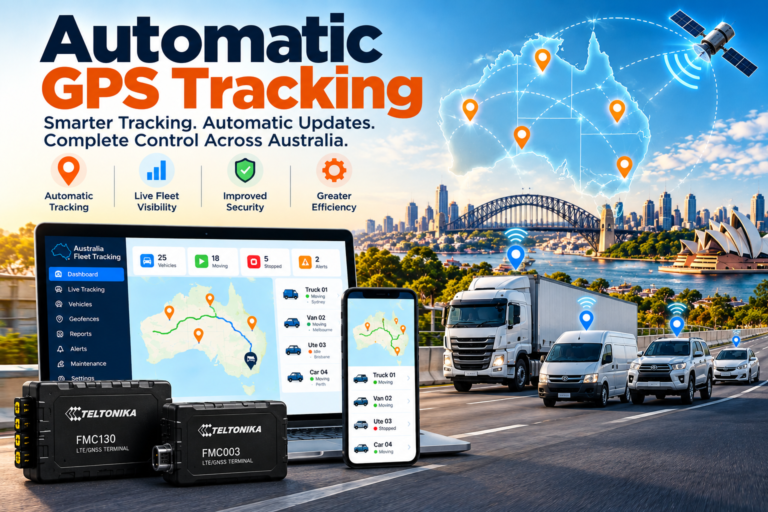
Installing a GPS tracker is a practical way to monitor vehicle location, review travel history and improve fleet visibility. Whether you own a personal car, operate a transport business or manage multiple company vehicles, the right GPS tracking system can help you keep track of vehicle movements.
However, GPS tracker installation is not the same for every vehicle. Some devices connect directly to the vehicle’s electrical system, while others plug into the OBD port or operate using an internal battery. The installation method depends on the tracker model, vehicle type and features you want to use.
For Australian vehicle owners and fleet operators, it is also important to check mobile network compatibility, particularly 4G support, before installing a tracking device.
In this guide, we explain how GPS tracker installation works, where to install a tracker, the differences between installation methods and what to check before using your tracking system.
What Is GPS Tracker Installation?
GPS tracker installation involves setting up a tracking device in a vehicle so it can determine its location and send tracking information to a connected mobile app or web platform.
A typical GPS tracking system uses three main components:
- GPS tracker: Receives satellite signals and calculates the vehicle’s location.
- Mobile network: Transmits tracking information through a supported SIM or communication connection.
- Tracking platform: Displays vehicle location, movement history and available alerts.
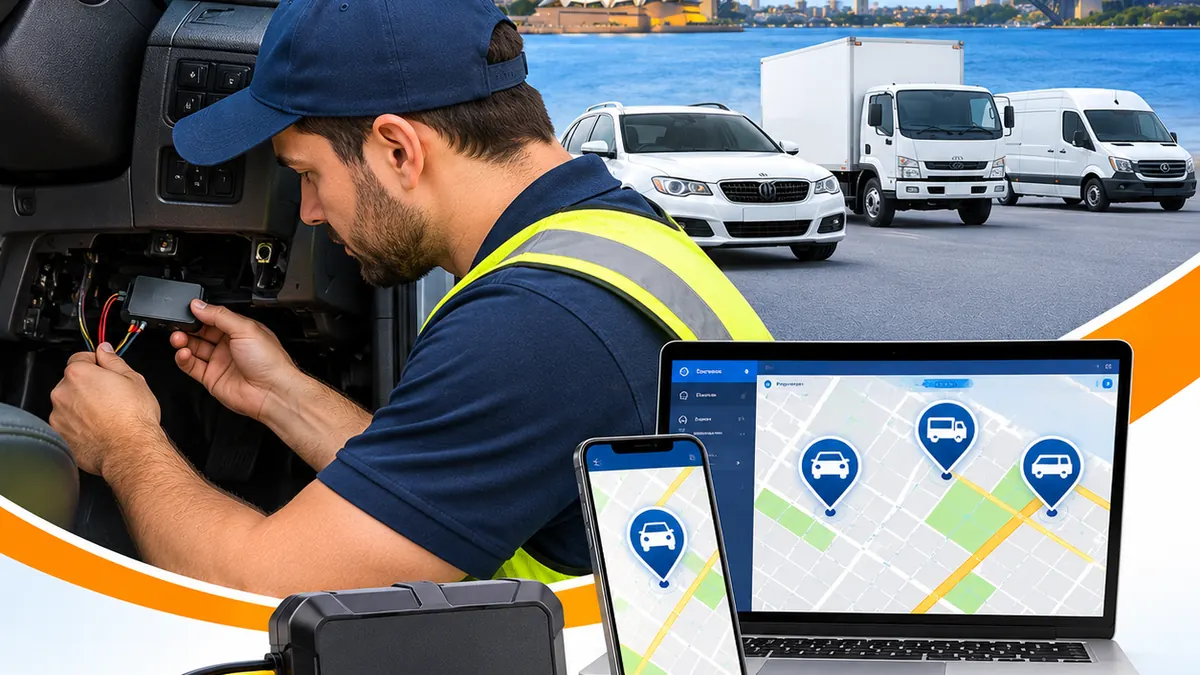
Depending on the device, installation may involve connecting power wires, plugging into an OBD port or placing a battery-powered tracker in a suitable position.
Once installed and configured, the tracker can provide location information according to its reporting settings and network availability.
Types of GPS Tracker Installation
Before choosing an installation method, understand the main types of GPS trackers available for vehicles.
1. Hardwired GPS Tracker Installation
A hardwired GPS tracker connects directly to the vehicle’s electrical system. It is commonly used for cars, commercial vehicles, trucks and business fleets.
The installation usually involves connecting the tracker’s power and ground wires. Some models also support ignition detection or additional vehicle inputs.
Key features:
- Power supplied by the vehicle
- Permanent installation
- Suitable for long-term monitoring
- Ignition status monitoring on supported models
- Configurable location reporting
Hardwired trackers are particularly useful for businesses that want to monitor vehicles regularly without relying on a rechargeable internal battery.
Explore our car tracking devices to understand the available vehicle tracking options.
2. OBD GPS Tracker Installation
An OBD GPS tracker connects to the vehicle’s On-Board Diagnostics port. This port is commonly located underneath the dashboard, near the steering column.
Unlike a hardwired device, an OBD tracker generally does not require permanent electrical wiring.
Installation process:
- Locate the vehicle’s OBD-II port.
- Check that the tracker supports the vehicle.
- Insert the device into the compatible port.
- Activate the tracker and complete its account setup.
- Check whether the device is reporting its location.
- Configure the available tracking features.
Some OBD trackers can also access vehicle information supported by the vehicle and device.
For more information, visit our OBD car tracking page.
3. Wireless GPS Tracker Installation
Wireless GPS trackers use an internal rechargeable or replaceable battery. They do not normally need a permanent connection to the vehicle’s electrical system.
Depending on the model, installation may involve charging the device, activating it and placing it in a suitable location.
Key features:
- No permanent vehicle wiring
- Flexible installation
- Portable design on selected models
- Suitable for temporary tracking
- Battery-powered operation
Battery life depends on reporting frequency, signal strength, battery capacity and power-saving settings.
4. GPS Tracker Installation for Commercial Vehicles
Commercial vehicles may require tracking devices with additional features, such as ignition monitoring, frequent location reporting and centralised fleet management.
The installation method depends on the vehicle’s electrical system and the tracking features required.
For businesses operating transport vehicles, explore our truck GPS tracking solutions.
How to Install a Hardwired GPS Tracker in a Car
Hardwired GPS tracker installation requires more attention because the device connects to the vehicle’s electrical system.
The following steps provide a general overview. Always follow the wiring diagram supplied with your specific GPS tracker.
Step 1: Check GPS Tracker Compatibility
Before installation, confirm that the tracker supports your vehicle’s electrical system and required mobile networks.
Check:
- Operating voltage
- Supported 4G network bands
- SIM or eSIM requirements
- Wiring diagram
- GPS and mobile antenna requirements
- Supported inputs and outputs
Step 2: Identify the Power Connection
A hardwired tracker generally requires a suitable constant power supply and ground connection.
The constant power connection allows the device to remain powered when the vehicle ignition is switched off, depending on the installation and device configuration.
Do not guess the wiring connections. Use the vehicle wiring diagram and tracker manufacturer’s instructions.
Step 3: Connect the Ignition Wire
Some GPS trackers include an ignition input.
This connection allows the device to detect when the vehicle ignition is switched on or off. It can help generate ignition-based reports and notifications where supported.
Not every tracker requires an ignition connection, so check the model’s wiring specifications.
Step 4: Position the GPS Antenna
The GPS antenna needs a suitable position to receive satellite signals.
Avoid placing it underneath metal surfaces or near components that may interfere with reception. Follow the manufacturer’s antenna positioning instructions.
Step 5: Secure the Device
Install the tracker in a suitable, secure location. Keep wiring away from moving parts, sharp edges, excessive heat and areas that may affect vehicle safety.
Step 6: Test the GPS Tracker
After completing the installation:
- Switch on the vehicle ignition.
- Check the device power indicator.
- Confirm that the tracker connects to the mobile network.
- Check the GPS location in the tracking platform.
- Test ignition detection if supported.
- Review available alerts and reporting settings.
A successful installation should provide consistent reporting under normal GPS and mobile network conditions.
Important: Vehicle wiring differs between models. If you are unfamiliar with automotive electrical systems, use a qualified automotive installer rather than attempting electrical connections yourself.
Where Should You Install a GPS Tracker in a Car?
The installation position can affect GPS reception, mobile connectivity, safety and device accessibility.
A suitable location should provide the required signal reception while keeping the tracker secure.
Common installation considerations include:
| Location | Installation consideration |
| Under the dashboard | Protect the device from moving components and heat |
| Behind suitable interior trim | Check GPS and mobile signal reception |
| Inside a suitable centre console area | Ensure the device is not enclosed by signal-blocking materials |
| Under a seat | Secure the device and keep it away from moving seat mechanisms |
| Near the windscreen | Check visibility, temperature and antenna requirements |
The best location depends on the tracker design and manufacturer instructions. Avoid installing a device where it can interfere with airbags, vehicle controls, wiring harnesses or driver safety.
GPS Tracker Installation for Trucks and Commercial Vehicles
Truck GPS tracker installation can involve additional requirements compared with a standard passenger car.
Commercial vehicles may have different electrical systems, longer operating hours and more demanding tracking requirements.
For transport companies, a properly configured tracking system can help with:
- Monitoring truck locations
- Reviewing trip history
- Checking vehicle movement
- Monitoring working routes
- Managing multiple vehicles
- Reviewing available ignition and vehicle data
Some GPS tracking devices also support additional inputs and fleet management functions.
For businesses operating several commercial vehicles, GPS fleet tracking in Australia can provide a centralised way to monitor your fleet.
If your business also operates trailers, explore our trailer and truck tracking solutions.
Common GPS Tracker Installation Mistakes to Avoid
Even a suitable GPS tracker may not perform as expected if it is installed incorrectly.
1. Incorrect Power Connection
Connecting the tracker to the wrong power source can prevent it from operating correctly. Always follow the supplied wiring diagram.
2. Poor GPS Antenna Position
Metal surfaces and unsuitable installation positions can affect GPS signal reception. Check antenna placement before securing the device.
3. Ignoring Mobile Network Compatibility
A GPS tracker may receive satellite signals but still fail to send location information if its cellular connection is unavailable.
Australian buyers should check 4G compatibility because Australia’s 3G networks have shut down.
4. Loose Wiring
Unsecured wiring can become disconnected or damaged through vibration and vehicle movement. Secure all connections properly.
5. Not Testing the Tracking Platform
Do not assume that the tracker is working just because its power indicator is on. Confirm that it reports its location to the tracking platform.
6. Ignoring Vehicle Battery Requirements
Check the tracker’s power consumption and the vehicle manufacturer’s electrical requirements. An unsuitable installation can create battery or electrical problems.
GPS Tracker Installation Cost in Australia
GPS tracker installation costs vary depending on the device, vehicle and installation complexity.
Factors that can affect the total cost include:
- GPS tracker purchase price
- Hardwired, OBD or wireless installation method
- Vehicle make and model
- Wiring complexity
- Additional accessories
- Professional installation charges
- SIM and tracking subscription costs
An OBD tracker generally requires less installation work than a hardwired device. A professional hardwired installation may cost more because it involves electrical connections and device positioning.
Before choosing a tracking solution, ask whether the quoted price includes installation, activation, mobile data and ongoing platform access.
How to Choose the Right GPS Tracker for Your Vehicle
The right tracker depends on what you want to monitor and how you use your vehicle.
| Requirement | Suitable tracking option |
| Permanent vehicle monitoring | Hardwired GPS tracker |
| Simple plug-in installation | OBD GPS tracker |
| Temporary vehicle tracking | Wireless GPS tracker |
| Business fleet management | Fleet GPS tracking system |
| Truck and transport monitoring | Commercial vehicle GPS tracker |
| Equipment and machinery monitoring | Asset GPS tracking device |
For equipment that does not have a standard vehicle electrical connection, consider a dedicated equipment and asset GPS tracking solution.
Frequently Asked Questions (FAQs)
1. Can I install a GPS tracker in my car myself?
Some GPS trackers are designed for self-installation. OBD and battery-powered wireless trackers generally require less installation work. Hardwired trackers require electrical connections, so professional installation is recommended if you are unfamiliar with vehicle wiring.
2. How long does GPS tracker installation take?
Installation time depends on the tracker type and vehicle. An OBD tracker may take only a few minutes to connect and activate. Hardwired installation can take longer because it requires wiring, positioning and testing.
3. Does a GPS tracker need to be connected to the car battery?
Not every GPS tracker needs a direct vehicle battery connection. Hardwired trackers generally use the vehicle electrical system, while OBD trackers receive power through the diagnostic port. Wireless trackers use an internal battery.
4. Where is the best place to install a GPS tracker?
The best position depends on the tracker and antenna design. Choose a secure location that allows suitable GPS and mobile signal reception. Always avoid airbags, moving parts and areas that may interfere with vehicle safety.
5. Does a GPS tracker work when the car is switched off?
Many hardwired trackers can continue operating when the ignition is off, provided they receive power from a suitable constant power connection. OBD and wireless tracker behaviour depends on their power management and sleep settings.
6. Does GPS tracker installation require a SIM card?
Cellular GPS trackers generally require a SIM or eSIM to transmit location information to a tracking platform. The exact requirement depends on the device and service provider.
7. Can a GPS tracker be installed in a truck?
Yes. Many GPS tracking devices are designed for commercial vehicles and trucks. Check the tracker’s voltage requirements, network compatibility and supported features before installation.
8. Will a GPS tracker drain my car battery?
A hardwired tracker uses power from the vehicle, including when parked if configured for continuous operation. Its power consumption and installation quality matter. Choose a suitable device and follow the manufacturer’s recommendations to reduce unnecessary battery drain.
9. Are GPS trackers legal to install in Australia?
Tracking your own vehicle for a legitimate purpose is generally different from monitoring another person’s movements without appropriate permission or notice. Workplace monitoring and surveillance requirements can vary across Australian states and territories. Check the applicable privacy and surveillance laws before tracking employee or third-party vehicles.
Get the Right GPS Tracking Solution from Australia Fleet Tracking
GPS tracker installation is an important part of setting up a reliable vehicle monitoring system. Choosing the right device, using the correct installation method and checking network compatibility can make a real difference to tracking performance.
Whether you need a GPS tracker for a personal car, commercial truck or business fleet, start by identifying the features you actually need.
Explore the tracking solutions available at Australia Fleet Tracking and find a suitable GPS tracking option for your vehicle and business requirements.
SEO Details
Meta Title: GPS Tracker Installation: Complete Guide Australia
Meta Description: Learn about GPS tracker installation in Australia, including hardwired, OBD and wireless trackers, installation steps, costs and vehicle compatibility.
URL Slug: gps-tracker-installation
Primary Keyword: GPS Tracker Installation
Secondary Keywords: GPS tracker installation Australia, car GPS tracker installation, vehicle GPS tracking installation, hardwired GPS tracker installation, OBD GPS tracker installation
Category: GPS Tracking
Tags: GPS Tracker Installation, Car GPS Tracker, Vehicle Tracking, OBD GPS Tracker, Fleet Tracking Australia