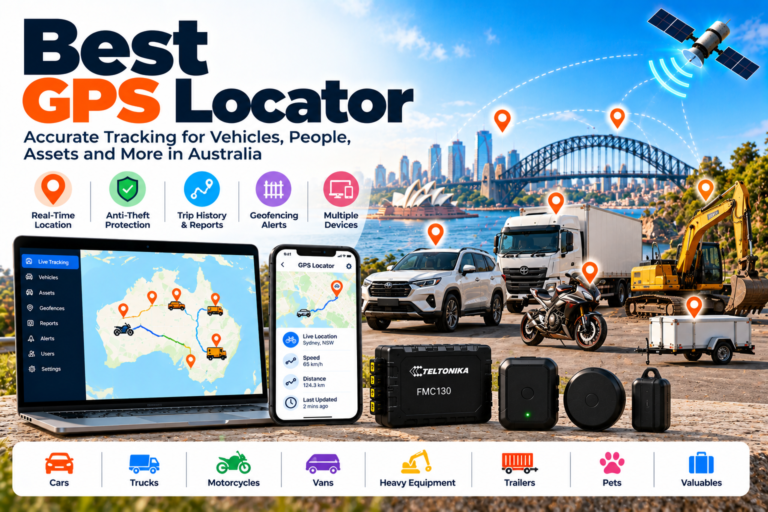
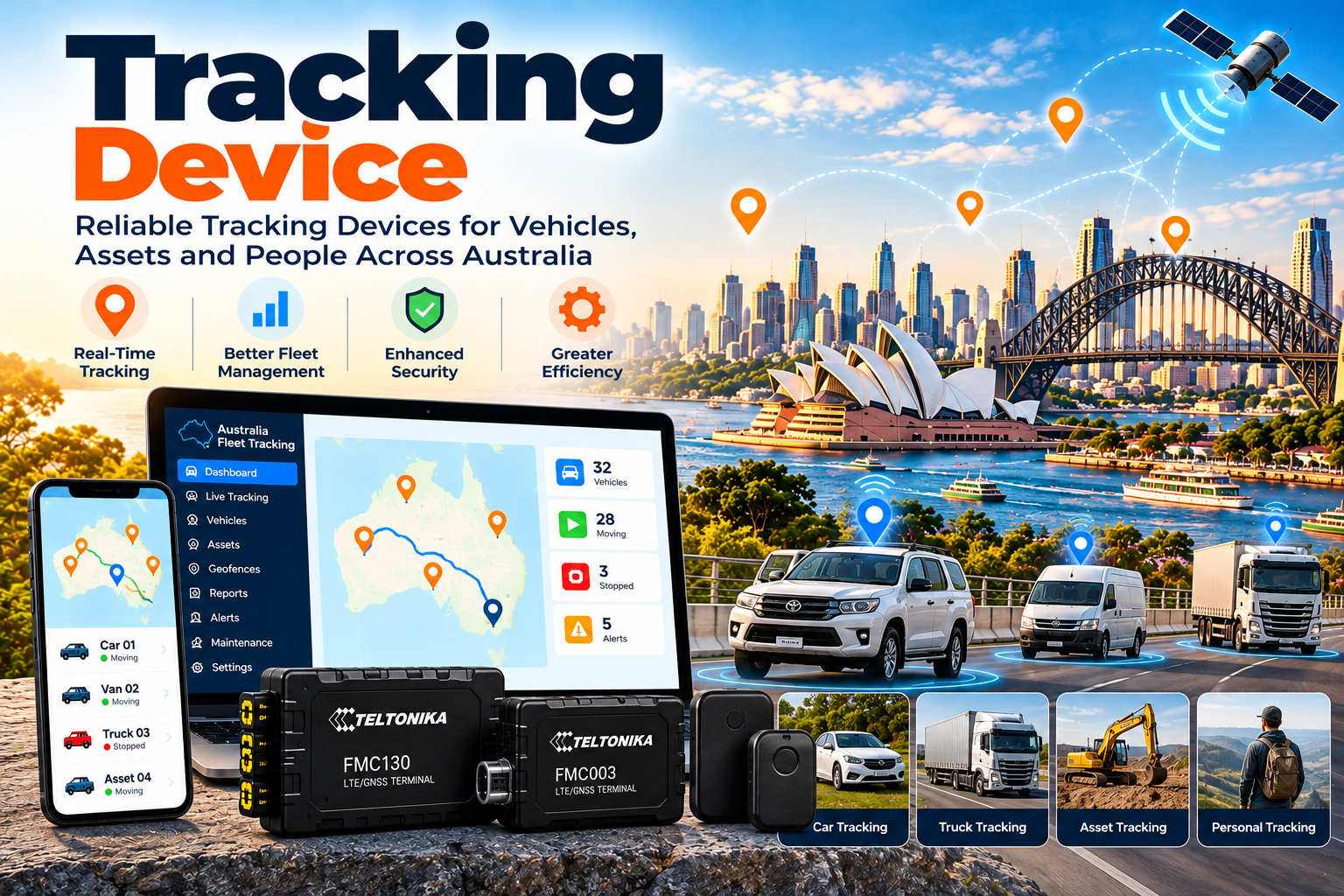
A tracking device helps you know where your vehicle, truck, or valuable equipment is located. In Australia, businesses use tracking devices to manage vehicles, improve security, and keep daily operations running smoothly. These devices can help you check vehicle locations, review trips, and manage your fleet from one place.
Whether you own one car or manage a fleet of vehicles, choosing the right tracking device can make your work easier. Australia Fleet Tracking provides GPS tracking solutions to help Australian businesses monitor vehicles and assets.
What Is a Tracking Device?
A tracking device is a small electronic unit that helps identify the location of a vehicle, person, or asset. Many GPS tracking devices use signals from satellites to work out their location. They then send location data to a tracking platform through a mobile network or another supported connection.
You can view this information on a computer or smartphone, depending on the device and software you use.
For example, a business with several delivery vans can use tracking devices to see where its vehicles are, check their routes, and manage daily trips. This can save time and help the team plan work more effectively.
Types of Tracking Devices Available
Different tracking devices suit different needs. Before buying one, think about what you want to track and which features matter most.
1. Car Tracking Device
A car tracking device helps you check the location of a private or business vehicle. It can help businesses monitor company cars, manage drivers, and review vehicle trips.
Some devices also support alerts and other vehicle data, depending on the model and installation. If you want to track cars, explore these car tracking devices to learn more about vehicle tracking options.
2. GPS Fleet Tracking Device
A fleet tracking device helps businesses monitor several vehicles through one platform. It is useful for delivery companies, service teams, rental operators, and businesses with company vehicles.
Fleet managers can use tracking information to review routes, check vehicle activity, and improve daily planning. Learn more about GPS fleet tracking in Australia to understand how tracking can support your business.
3. Truck Tracking Device
Truck tracking devices help transport and logistics businesses monitor trucks on the road. Location information can help managers check progress, plan deliveries, and respond to delays.
Depending on the device, businesses may also access trip history, alerts, and vehicle information. Read more about truck GPS tracking for solutions designed for transport operations.
4. OBD Tracking Device
An OBD tracking device connects to a vehicle’s onboard diagnostic port when the vehicle and device are compatible. This option may suit businesses that want a simple installation process.
Some OBD devices provide vehicle data as well as location information. However, the features available depend on the vehicle, device model, and software. You can explore OBD car tracking to see whether this type of tracker suits your needs.
5. Asset Tracking Device
Not every business needs to track cars or trucks. Some need to monitor tools, machinery, trailers, containers, or other valuable equipment.
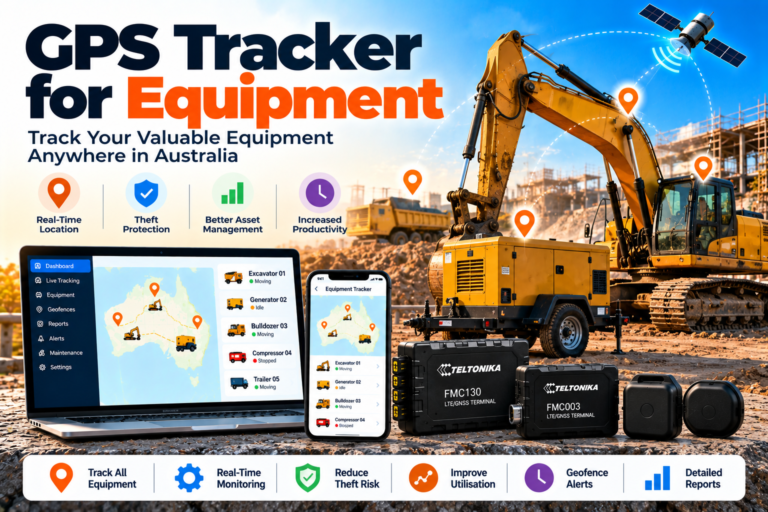
An asset tracking device can help businesses check the location of selected assets and reduce the risk of losing track of them. Learn about asset tracking solutions and equipment and asset GPS tracking in Australia to find options for your equipment.
Key Features to Look for in a Tracking Device
Choosing a tracking device is easier when you know which features your business needs. Here are some important points to consider.
Real-Time Location Tracking
Real-time tracking can show the current or most recently reported location of a vehicle or asset. The update speed depends on the device, network coverage, settings, and tracking platform.
This feature is useful for businesses that need to check vehicle locations during the working day.
Trip History and Reports
Trip history helps you review where a vehicle has travelled. Reports may show journey times, routes, stops, and other available information.
Businesses can use these details to understand vehicle use and plan future trips. Available reports vary by tracking device and software.
Alerts and Notifications
Some tracking systems provide alerts for events such as leaving a selected area or entering a restricted zone. Other alerts may be available depending on the device.
These notifications can help managers respond more quickly when something needs attention.
Easy-to-Use Tracking Software
A tracking device is more useful when its software is simple to understand. Look for a platform that makes it easy to view vehicles, check trip history, and manage alerts.
For businesses with several vehicles, a central dashboard can make fleet management easier.
Reliable Network Support
Before buying a device, check its network compatibility and coverage. Australia has large regional and remote areas where mobile coverage can vary. Make sure the device supports the network and operating conditions required for your work.
Benefits of Using a Tracking Device for Business
A tracking device can support daily business operations in several ways.
Better vehicle visibility: Managers can check vehicle locations without calling drivers for every update.
Improved trip planning: Location data and trip history can help teams plan routes and manage schedules.
More control over assets: Tracking suitable equipment and vehicles can make it easier to keep records of their locations.
Useful business reports: Tracking software may provide information that helps managers understand vehicle use and identify areas for improvement.
Support for fleet management: Businesses can manage multiple vehicles through one platform instead of checking each vehicle separately.
Remember that a tracking device is only one part of fleet management. Good driver practices, vehicle maintenance, clear company policies, and suitable software also matter.
How to Choose the Right Tracking Device
Before choosing a tracker, answer a few simple questions.
First, decide what you need to track. A car, truck, trailer, and piece of machinery may need different devices.
Next, check how the device is installed. Some trackers connect to a vehicle’s power system, while others use an OBD port or a separate power source. Choose a device that suits the vehicle and your installation needs.
Then, compare the features. You may need live location updates, trip history, alerts, reports, or additional vehicle data. Avoid paying for features your business will not use.
You should also check the tracking software, mobile network compatibility, ongoing service costs, and technical support. If you manage vehicles across several Australian regions, confirm that the proposed solution suits your operating areas. You can review the locations we serve for more information.
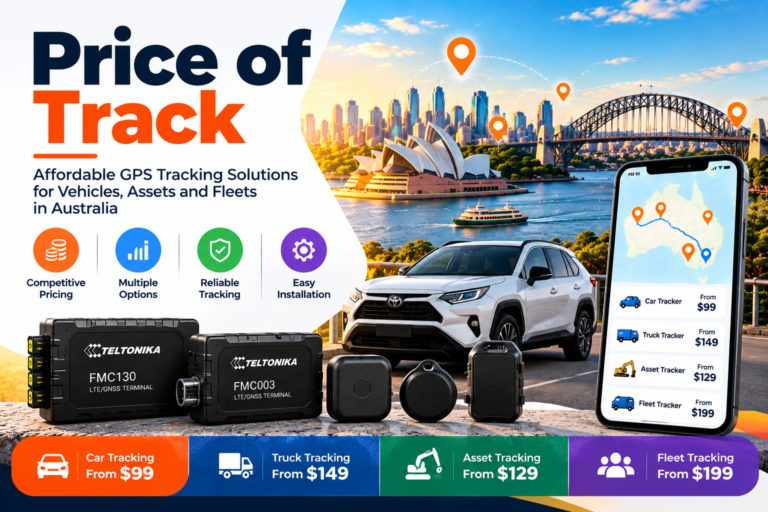
Finally, ask about installation, warranty, data access, and any ongoing subscription fees before making your decision.
Is a Tracking Device Worth It?
A tracking device can be useful for businesses that depend on vehicles or valuable equipment. It gives managers better visibility and can make it easier to review vehicle activity.
For example, a delivery company may use tracking devices to check vehicle progress. A trades business may use asset trackers to keep an eye on selected equipment. A transport operator may use truck tracking to support delivery planning.
The right solution depends on your business size, daily tasks, budget, and the type of assets you need to monitor.
Find a Tracking Device for Your Business
Choosing the right tracking device starts with understanding what you need to monitor. Compare device types, tracking features, network support, and software before making a decision.
Australia Fleet Tracking offers tracking solutions for vehicles, fleets, trucks, and assets across Australia. If you need help choosing a suitable option, contact Australia Fleet Tracking to discuss your requirements.
A suitable tracking device can help you manage your vehicles and assets with greater confidence while supporting more organised day-to-day operations.