Bicycles are convenient for daily commuting, fitness, outdoor activities and weekend adventures. However, keeping a bicycle secure can be challenging, particularly when it is parked outside workplaces, shopping centres, railway stations or residential buildings.
A Mini Smart Tracker for Cycle offers a compact way to monitor a bicycle and improve its security. Depending on the technology, these small tracking devices can help users find their bikes, receive movement notifications and check available location information through a smartphone.
Unlike bulky tracking equipment, a mini bicycle tracker is designed with size and convenient installation in mind. Some models can fit inside compatible bicycle accessories or attach discreetly to the frame.
In this guide, we explain how mini smart cycle trackers work, their features, installation options and what to consider before choosing one.
What Is a Mini Smart Tracker for Cycle?
A mini smart tracker for cycle is a compact electronic device designed to help users locate and monitor their bicycles.
Depending on the product, it may use GPS, cellular connectivity, Bluetooth or a combination of tracking technologies.
A GPS-enabled model can calculate its geographical position and transmit location information through a supported communication network.
Other smart trackers use nearby smartphones or compatible device networks to help locate an item.
Common features may include:
- Compact and lightweight design
- Bicycle location monitoring
- Movement detection
- Smartphone notifications
- Location history
- Geofencing on compatible models
- Rechargeable or replaceable battery
- Discreet installation options
The available functions depend on the device. A small Bluetooth tracker should not be confused with a cellular GPS tracker that independently transmits geographical location information.
Why Do Cyclists Need a Mini Smart Bicycle Tracker?
A bicycle is often parked in places where the owner cannot keep it within sight. A compact tracking device can provide additional visibility.
1. Find Your Bicycle More Easily
A compatible smart tracker can help users check their bicycle’s available location information through a mobile application.
This can be useful when a bike is parked at a railway station, office, shopping centre or residential building.
2. Receive Movement Notifications
Some tracking devices include movement detection.
If someone moves a parked bicycle, the tracker may send a notification to the connected smartphone.
This can help the owner identify unexpected activity.
3. Keep the Device Discreet
A mini tracker can be easier to install in a suitable bicycle accessory or compatible mounting location.
A discreet installation may make the device less noticeable, although it should never interfere with safe bicycle operation.
4. Monitor Your Bicycle Remotely
GPS trackers with cellular connectivity can send location information to a remote platform when network coverage is available.
This allows owners to check their bicycle’s reported position without being physically nearby.
5. Support Bicycle Theft Investigations
If a bicycle goes missing, available tracking information may help identify its last reported location.
This information may assist when reporting the incident to the relevant authorities. However, a tracking device cannot guarantee theft prevention or recovery.
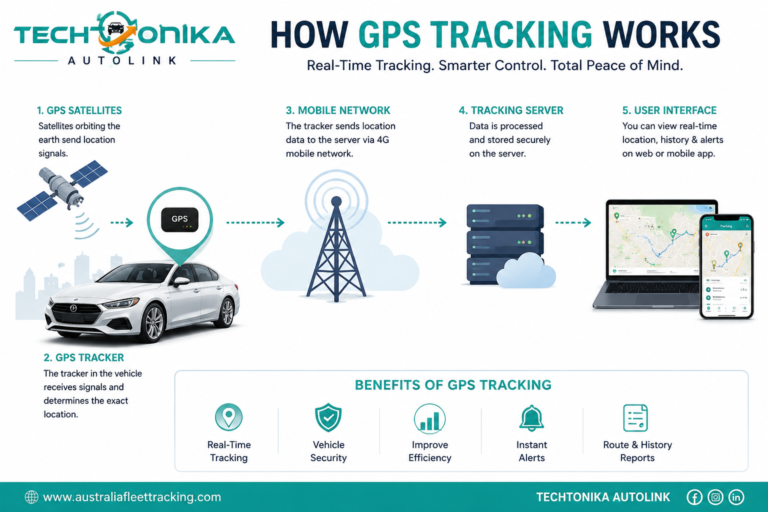
How Does a Mini Smart Tracker for Cycle Work?
The working process depends on the tracking technology.
Step 1: Install the Smart Tracker
The device is attached to the bicycle or placed inside a compatible accessory.
The installation method depends on its size, mounting design and power requirements.
Step 2: Connect the Tracker to Your Smartphone
Many smart trackers require users to pair the device with a mobile application.
GPS and cellular models may also require a SIM card or embedded connectivity service.
Bluetooth models use a different pairing process.
Step 3: Monitor Available Location Information
The application displays the information provided by the tracking device.
Depending on the model, users may access location updates, movement alerts, battery status and historical records.
Step 4: Receive Notifications
Compatible devices may send notifications when the bicycle moves or crosses a configured geographical boundary.
The available alerts depend on the hardware and software.
Different Types of Mini Smart Trackers for Bicycles
Before choosing a compact bicycle tracker, understand the differences between available technologies.
1. Mini GPS Tracker
A mini GPS tracker uses satellite positioning to calculate the bicycle’s geographical location.
Cellular-enabled models transmit location information to a remote platform.
Features may include:
- Remote location monitoring
- Movement notifications
- Location history
- Geofencing
- Mobile application access
These devices require suitable network coverage and may involve connectivity costs.
2. Mini Bluetooth Tracker
Bluetooth trackers are generally designed for nearby item finding.
They communicate with compatible smartphones or supported device networks.
They are usually compact and may offer long battery life, but they do not necessarily provide independent real-time GPS tracking.
3. Rechargeable Smart Cycle Tracker
Rechargeable trackers use an internal battery that needs periodic charging.
Battery performance depends on capacity, location reporting frequency, communication conditions and device configuration.
4. Hidden Bicycle Tracker
Some mini trackers are designed for discreet installation.
Depending on the bicycle and product, they may fit beneath a seat, inside a compatible accessory or within a suitable frame compartment.
Always check the manufacturer’s installation instructions.
Important Features to Look for in a Mini Smart Tracker for Cycle
A small device should still provide the functions needed for your bicycle monitoring requirements.
Compact and Lightweight Design
A mini tracker should fit securely without affecting the bicycle’s balance or normal operation.
Check the dimensions and weight before purchasing.
Accurate Location Information
For GPS-enabled models, review the positioning specifications and expected location update frequency.
Remember that positioning accuracy and the ability to transmit updates depend on the device and operating environment.
Long Battery Life
Battery life is important when a tracker is installed in a location that is difficult to access.
Compare battery capacity and manufacturer estimates under realistic usage conditions.
Movement Alerts
Movement detection can help identify when a parked bicycle starts moving.
Some devices support notifications through their mobile applications.
Smartphone Compatibility
Check whether the tracker supports your smartphone’s operating system and whether its application requires an account or subscription.
Waterproof Protection
Bicycles may be exposed to rain and outdoor conditions.
Check the device’s IP rating and installation instructions before using it in wet conditions.
Secure Mounting
The tracker should be installed securely and should not interfere with brakes, steering, pedals or other bicycle components.
Where Can You Install a Mini Smart Tracker on a Bicycle?
The installation location depends on the tracker’s design and bicycle compatibility.
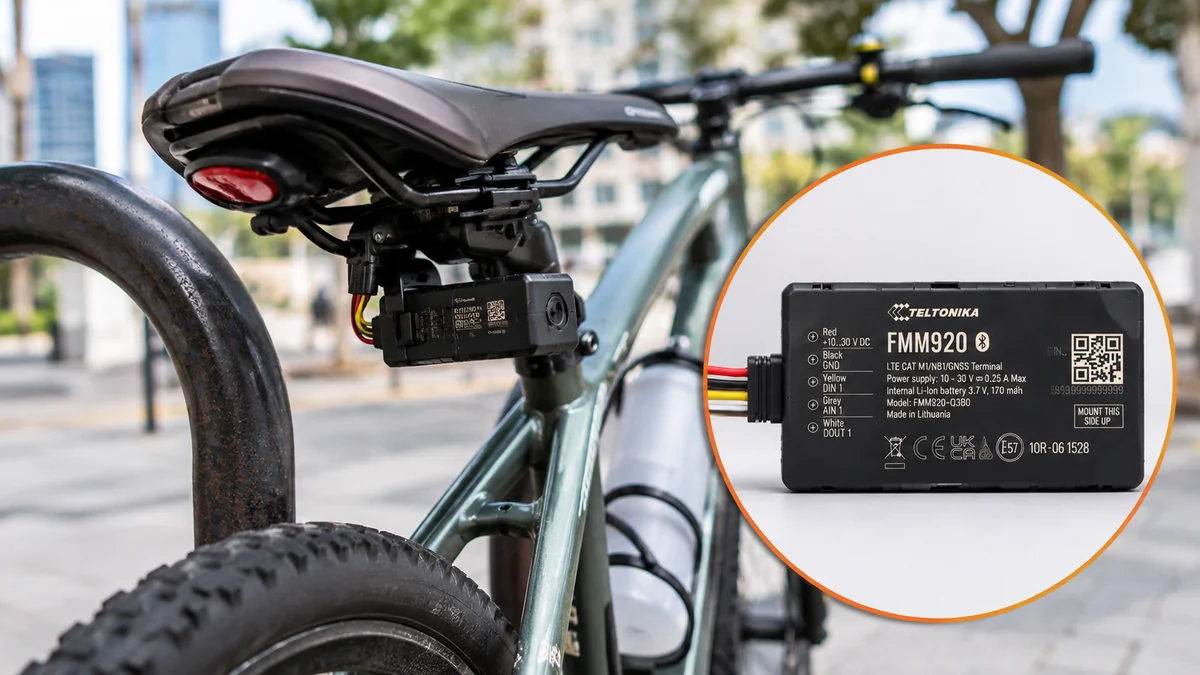
Under the Bicycle Seat
Some compact trackers can be mounted beneath the seat using a compatible accessory.
This provides a discreet location without interfering with the rider.
Inside a Compatible Bicycle Frame
Certain bicycle models and accessories have suitable compartments for compact tracking devices.
Check the bicycle manufacturer’s instructions before placing any device inside the frame.
Inside a Bicycle Accessory
A mini tracker may fit inside a compatible storage accessory or protective case.
Make sure the enclosure does not interfere with the tracker’s positioning or communication functions.
On the Bicycle Frame
Some devices use dedicated brackets that attach directly to the frame.
Choose a mounting position that keeps the tracker secure and does not affect bicycle safety.
Mini Smart Tracker vs Traditional Bicycle Security
A smart tracker and a traditional bicycle lock provide different types of protection.
| Feature | Bicycle Lock | Mini Smart Tracker |
| Physical protection | Yes | No |
| Location monitoring | No | Depends on technology |
| Movement alerts | Not normally available | Available on compatible devices |
| Smartphone access | No | Available on supported models |
| Geofencing | No | Available on compatible GPS platforms |
| Theft investigation support | Limited | May provide location information |
A tracking device should complement a suitable bicycle lock rather than replace it.
How to Choose the Right Mini Smart Tracker for Cycle in Australia
Before purchasing, consider these important points.
1. Identify your tracking needs. Decide whether you need nearby item finding or remote GPS location monitoring.
2. Check the technology. Understand whether the device uses GPS, cellular connectivity, Bluetooth or a combination.
3. Compare the dimensions. Make sure the tracker fits your bicycle or selected accessory.
4. Review battery performance. Check the manufacturer’s battery estimates and charging requirements.
5. Check movement alerts. Look for notifications that help identify unexpected bicycle movement.
6. Review waterproof protection. Check the IP rating if you regularly ride in rain.
7. Confirm network compatibility. Cellular GPS trackers need suitable mobile network coverage.
8. Understand subscription costs. Consider hardware, connectivity and application charges.
9. Check installation instructions. Make sure the device can be mounted safely and securely.
How Australia Fleet Tracking Can Help
Choosing a GPS tracking product depends on the asset type, installation requirements and monitoring features.
Australia Fleet Tracking offers GPS tracking products for businesses and customers interested in vehicle and asset monitoring.
For general GPS tracking information, explore the Vehicle Tracking page.
Businesses monitoring larger equipment can also visit Equipment and Asset GPS Tracking in Australia.
Before purchasing, confirm whether the available product range includes a mini tracker suitable for bicycle installation. Commercial vehicle trackers may have different dimensions, power requirements and mounting systems.
Frequently Asked Questions
1. What is a mini smart tracker for cycle?
It is a compact electronic tracking device designed to help users locate and monitor their bicycles through GPS, Bluetooth or another supported technology.
2. Can a mini tracker show my bicycle’s live location?
A cellular GPS tracker can provide remote location updates when it has suitable network coverage. Bluetooth trackers generally use nearby devices or supported finding networks.
3. Can I hide a mini tracker on my bicycle?
Some models support discreet installation beneath the seat, inside compatible accessories or in suitable frame compartments.
4. How long does a mini bicycle tracker battery last?
Battery life varies by model, battery capacity, reporting frequency, communication conditions and usage. Check the manufacturer’s specifications.
5. Does a mini GPS bicycle tracker need a SIM card?
Many cellular GPS trackers use a SIM card or embedded connectivity arrangement. Bluetooth trackers generally use different communication methods.
6. Are mini smart bicycle trackers waterproof?
Some models offer water and dust protection. Check the manufacturer’s IP rating before using the tracker outdoors.
7. Can I receive a notification if someone moves my bicycle?
Some trackers support movement detection and smartphone alerts. This feature depends on the device and application.
8. Is a Bluetooth tracker the same as a GPS tracker?
No. Bluetooth trackers generally help locate nearby items or use supported device networks. GPS trackers use satellite positioning and may provide remote location updates through cellular connectivity.
9. Can I use a commercial GPS tracker on a bicycle?
Not every commercial tracker is suitable. Check its size, power requirements, communication method and mounting compatibility before installation.
Final Thoughts
A mini smart tracker for cycle can provide additional visibility over a bicycle and support everyday security.
Depending on the tracking technology, a compact device may offer location information, movement notifications and smartphone access.
Before choosing a product, compare its size, battery life, connectivity, waterproof rating and installation requirements.
For better bicycle security, combine a suitable tracking device with a strong lock and secure parking practices.