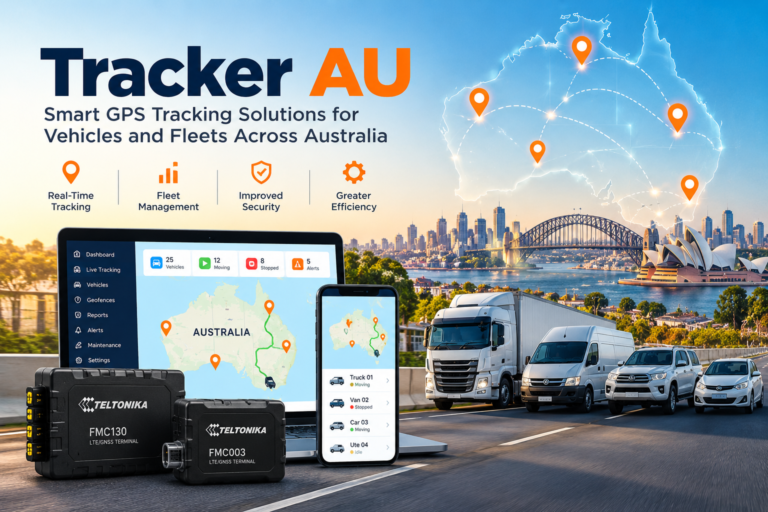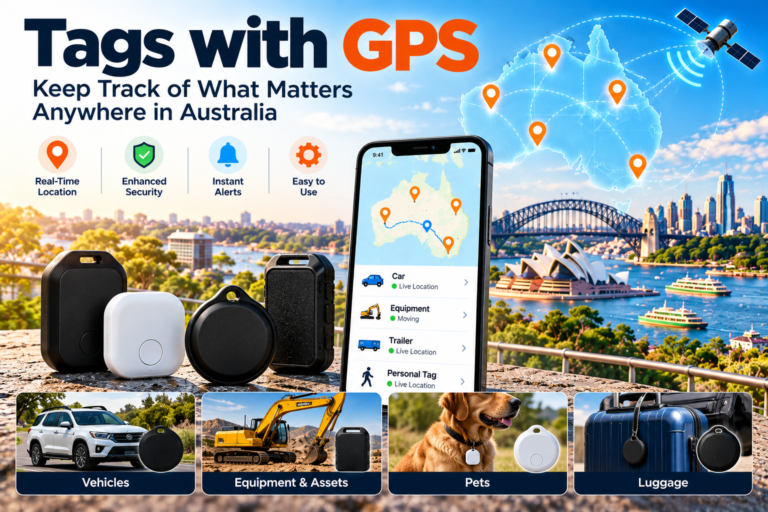

Finding the best GPS locator depends on what you want to track. Some devices are designed for cars and motorcycles, while others are better for trucks, business fleets, and valuable equipment. In Australia, GPS tracking can help vehicle owners and businesses check locations, review journeys, and manage assets more easily.
A good GPS locator should suit your needs, work with the right network, and provide useful tracking features. Before buying one, compare its location updates, battery life, installation requirements, software, and ongoing costs.
This guide explains what to look for when choosing a GPS locator for your vehicle or business.
What Is a GPS Locator?
A GPS locator is a device or system that helps determine the location of a vehicle, person, or asset. It uses signals from GPS satellites to calculate a position. Many tracking devices then send this information through a supported communication network to an app or online platform.
You can check the reported location using a smartphone or computer, depending on the service.
For example, a business can use a GPS locator to monitor its delivery vehicles. A construction company may use a suitable tracking device to keep records of machinery locations across different work sites.
The features available depend on the device, network connection, and tracking software.
How Does a GPS Locator Work?
Most GPS tracking devices follow three basic steps.
- Calculate the location: The device receives satellite signals and works out its position.
- Send the data: A connected tracker sends location information through a supported communication network.
- Show the location: The tracking platform displays the information on a map or dashboard.
Some systems also provide movement alerts, trip history, geofencing, and reports.
GPS calculates location, but remote monitoring usually requires a separate communication connection. Network coverage, device settings, and installation can affect performance, especially in regional and remote parts of Australia.
Types of GPS Locators
The best GPS locator for you depends on what you need to monitor.
1. GPS Locator for Cars
A car GPS locator helps owners and businesses check vehicle locations and review available trip information. Depending on the model, it may also support movement alerts and location history.
These devices can suit private cars, company vehicles, and rental cars. Explore our car tracking devices to learn more about vehicle tracking options.
2. GPS Locator for Trucks
Transport businesses often need to monitor trucks during deliveries and long-distance journeys. A suitable tracker can help managers check reported locations and review trip information.
Learn more about truck GPS tracking for commercial transport and logistics operations.
3. GPS Locator for Fleet Management
Businesses with several vehicles may benefit from a fleet tracking platform. It can bring compatible vehicles together in one dashboard and make it easier to review vehicle activity.
Explore GPS fleet tracking in Australia to understand how tracking technology can support fleet operations.
4. GPS Locator for Equipment and Assets
Businesses may also need to monitor machinery, trailers, generators, and other valuable equipment. A suitable tracker can help record asset locations and support better asset management.
Explore asset tracking solutions and equipment and asset GPS tracking in Australia to find options for business use.
5. OBD GPS Locator
An OBD tracker connects to a compatible vehicle’s onboard diagnostic port. It may offer a convenient installation option for some cars.
Some devices provide vehicle information as well as location data. Check compatibility and available features before purchasing. Learn more about OBD car tracking.
Features to Look for in the Best GPS Locator
Before choosing a device, compare the features that matter most to you.
Accurate Location Updates
Check how often the device reports its location. Some trackers provide frequent updates, while others report less often to save power or data.
Choose a tracking system that suits your requirements and operating conditions.
Trip History and Reports
Trip history can help you review routes, stops, and journey times. Businesses may use these records to understand vehicle activity and plan work more effectively.
The reports available depend on the device and software.
Movement Alerts and Geofencing
Some GPS locators can send alerts when a vehicle or asset moves or enters or leaves a selected area. Geofencing allows you to create a virtual boundary around a chosen location.
These features can help users notice certain events more quickly, but they do not guarantee theft prevention or recovery.
Battery Life and Power Supply
Some trackers use rechargeable or replaceable batteries. Others connect to a vehicle’s electrical system.
Check the device’s power requirements, charging needs, and expected battery life before buying.
Reliable Connectivity
Australia has large cities, regional areas, and remote locations. Mobile network coverage varies, so confirm that the tracker supports the network required in your operating areas.
Easy-to-Use Software
A clear dashboard makes it easier to check locations, review reports, and manage alerts. If you monitor several vehicles, look for a platform that supports multiple devices.
Benefits of Using a GPS Locator
A suitable GPS locator can help individuals and businesses in several ways.
Better location visibility: Check the reported location of vehicles or assets from a compatible app or dashboard.
Improved planning: Use location information and trip history to help organise journeys and daily operations.
Support for asset management: Keep clearer records of selected equipment and where it is used.
Useful alerts: Receive notifications for supported events, such as unexpected movement or geofence activity.
Centralised fleet monitoring: Manage compatible vehicles through one platform when the tracking system supports it.
GPS tracking is most useful when combined with good security practices, regular maintenance, and clear policies about how tracking information is collected and used.
How to Choose the Best GPS Locator in Australia
Start by deciding what you need to track. A private car, truck, motorcycle, and construction machine may require different devices.
Next, check installation and power requirements. Some trackers connect to the vehicle’s electrical system, while others use an OBD port or battery. Asset trackers may need different mounting options.
Then compare the features. Decide whether you need location updates, trip history, movement alerts, geofencing, or fleet reports.
You should also check ongoing subscription fees, mobile connectivity, warranty, and technical support. Do not compare devices by upfront price alone; consider the total cost of using the system.
If you operate across multiple Australian locations, review the locations we serve and confirm that the proposed solution suits your working areas.
Is a GPS Locator Worth It?
A GPS locator can be useful if you want better visibility of your vehicles or valuable assets. It may help you check locations, review journeys, and organise business operations.
However, the best device depends on your needs. A basic tracker may suit one vehicle, while a business with several cars or trucks may need a fleet tracking platform with additional reporting features.
Compare the device’s features, connectivity, installation, and ongoing costs before making a decision.
Find the Right GPS Locator for Your Needs
Choosing the best GPS locator starts with understanding what you want to track and which features you need. Compare device types, network support, location updates, software, and total costs before purchasing.
Australia Fleet Tracking provides tracking solutions for vehicles, fleets, trucks, and assets. If you need help choosing a suitable option for your business, contact Australia Fleet Tracking to discuss your requirements.
With the right tracking solution, you can improve location visibility and manage your vehicles or assets with greater confidence.