
Australia Fleet Tracking offers reliable and durable GPS trackers that help businesses monitor valuable machinery, track asset locations and manage equipment across multiple worksites. Construction companies, heavy equipment rental businesses, transport operators and agricultural businesses can use this tracking technology to know where their assets are and how they are being used.
Equipment theft, unauthorised movement and poor asset visibility can disrupt business operations. A GPS tracking system helps businesses manage these risks by providing location details, movement alerts and, depending on the device, equipment usage data.
However, not every GPS tracker is suitable for every machine. An excavator used at a construction site may need a different tracking solution from a portable generator or a trailer that moves between locations.
This guide compares five GPS equipment tracking providers and solutions relevant to Australian businesses: Australia Fleet Tracking, Techtonika Autolink, Teletrac Navman, Geotab and Ctrack Australia. It explains their key strengths, limitations and the important factors businesses should consider before choosing a GPS tracking system.
Featured GPS Equipment Tracking Devices
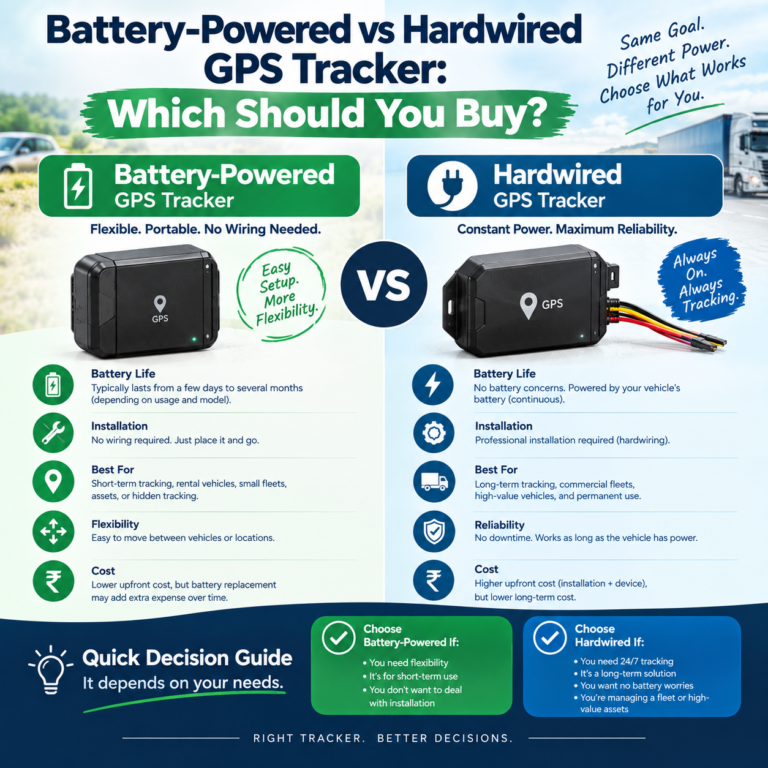
Equipment tracking devices generally fall into two categories: hardwired trackers and battery-powered asset trackers.
Hardwired devices connect to a suitable power source and may support additional information, such as operating hours or engine data, when the hardware and installation allow it. Battery-powered trackers suit assets without a convenient permanent power supply.
For example, the Teltonika FMC130 is a hardwired tracking device designed for vehicle and fleet applications. Its features include GNSS positioning, cellular connectivity, configurable inputs and outputs, and Bluetooth connectivity. These capabilities can support suitable equipment-tracking installations, depending on the application and configuration.
When comparing equipment GPS tracking solutions, consider these specifications:
- Location tracking: Check whether the platform provides live or periodic location updates.
- Power source: Confirm whether the device needs a permanent power connection or operates on an internal battery.
- Environmental protection: Look for suitable protection against dust, water, vibration and temperature conditions.
- Connectivity: Check cellular coverage at your worksites and consider satellite communication where terrestrial networks cannot meet your needs.
- Usage monitoring: Confirm whether the system can record engine hours, movement, ignition status or other relevant data.
- Alerts: Look for movement, geofence, tampering or after-hours alerts where supported.
- Software access: Check mobile and desktop compatibility, reporting features and subscription costs.
Always confirm the manufacturer’s specifications for the exact device. A tracker designed for road vehicles may not provide every feature required for heavy construction equipment.
How GPS tracking works
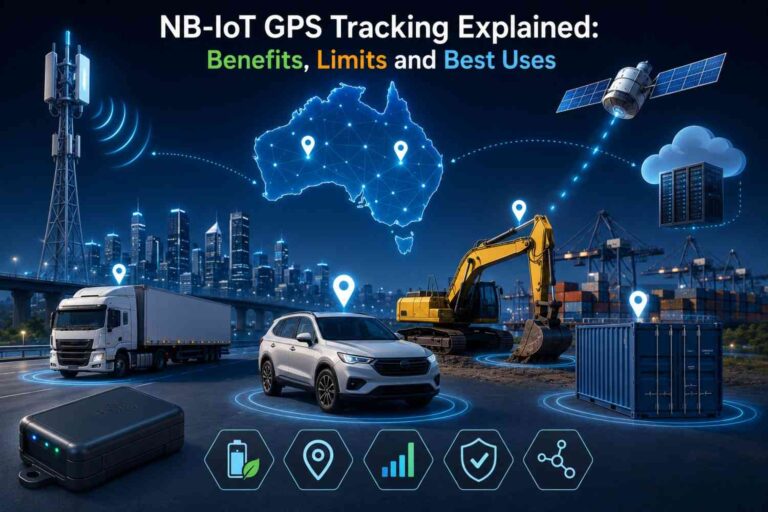
GPS tracking combines satellite positioning, a tracking device, a communications network and software.
The device determines its position using satellite signals. Depending on its design, it then sends location and other available information through a cellular or satellite connection to a tracking platform. An authorised user can view the information through a compatible application or website.
The frequency of updates depends on the device configuration, communications coverage, power settings and service plan. Therefore, a tracker that reports periodically may not show every movement instantly.
Equipment GPS tracking can provide several practical benefits:
- View equipment locations across multiple worksites.
- Review movement and location history.
- Set virtual boundaries around depots or construction sites.
- Receive alerts when supported devices move outside configured boundaries.
- Review usage information when the tracker supports suitable inputs or machine-data integration.
These functions help managers make informed decisions about equipment allocation, security and maintenance.
How GPS tracking helps prevent equipment theft
GPS tracking cannot guarantee that equipment will never be stolen. However, it can improve visibility and help businesses respond more quickly to suspicious activity.
For example, a contractor could create a geofence around a construction site. If a tracked machine moves outside that boundary at an unexpected time, the system may send an alert. The manager can then check the movement, contact the site supervisor and notify the relevant authorities if theft is suspected.
A tracker with suitable tamper alerts may provide additional warning if someone interferes with the installation. Hidden installation can also make casual discovery more difficult, although it should never replace physical security.
For stronger equipment protection, combine GPS tracking with secure storage, access controls, asset identification and an incident-response procedure.
GPS Installation Guide for Equipment
Correct installation affects tracking reliability, power performance and device lifespan. Follow the manufacturer’s instructions and use a qualified installer when electrical work or machinery integration requires professional expertise.
- Identify the asset: Record the equipment type, asset number, ownership details and usual operating locations.
- Choose the tracker: Select hardwired hardware for suitable powered machinery or a battery-powered device for assets without a practical power connection.
- Check connectivity: Verify cellular coverage at the locations where the equipment normally operates.
- Select the mounting position: Follow the manufacturer’s guidance for antenna performance, environmental exposure, vibration and tamper resistance.
- Configure the platform: Set up asset names, authorised users, geofences and relevant alerts.
- Test the installation: Confirm that the device reports its location, sends the expected alerts and operates correctly.
- Review performance: Check battery condition, connectivity, reporting frequency and device status according to the manufacturer’s recommendations.
A reliable installation starts with the right equipment and a clear understanding of what the business needs to monitor.
Top 5 Best GPS Trackers for Heavy Equipment in Australia
1. Australia Fleet Tracking
Businesses looking for GPS tracking hardware and fleet-tracking solutions.
Australia Fleet Tracking is relevant to businesses researching GPS tracking products for vehicles and fleet operations. When considering a solution for heavy equipment, ask the supplier which devices support permanent installation, asset movement alerts and the operating conditions at your worksites. Our robust and durable GPS equipment tracking devices are designed to handle tough conditions and meet the specific needs of heavy machinery.
Strengths
- A relevant starting point for businesses comparing GPS tracking hardware.
- Can help buyers investigate suitable tracking devices for their requirements.
- Offers an opportunity to compare hardware and tracking arrangements before purchasing.
Limitations
- Confirm the exact equipment-tracking products and specifications available.
- Check whether your chosen device supports engine-hour monitoring, tamper alerts and geofencing.
- Confirm installation support, coverage and ongoing subscription costs before committing.
Website: Australia Fleet Tracking
2. Techtonika Autolink
Businesses comparing GPS tracking hardware, including Teltonika-based tracking solutions.
Techtonika Autolink offers GPS tracking devices for fleet and vehicle applications. Its product range includes the Teltonika FMC130, a hardwired 4G GPS tracker with configurable inputs and outputs and Bluetooth connectivity.
These capabilities may suit selected powered equipment installations. However, buyers should confirm that the device, power supply, mounting arrangement and tracking software meet the requirements of their specific machinery.
Strengths
- Offers a range of GPS tracking hardware.
- The FMC130 supports advanced tracking configurations and suitable integrations.
- A useful option to investigate when comparing hardwired trackers for powered assets.
Limitations
- A vehicle tracker does not automatically provide every heavy-equipment monitoring feature.
- Battery-powered tracking may be more suitable for unpowered trailers or equipment without a convenient power source.
- Confirm cellular coverage, installation requirements and software compatibility before purchase.
Website: Techtonika Autolink
3. Teletrac Navman
Teletrac Navman provides fleet-management and equipment-tracking solutions. Its equipment tracking resources explain how businesses can monitor asset locations, utilisation and maintenance-related information.
This approach can help construction and transport businesses that need more than basic location tracking. The available information depends on the installed hardware and the data the equipment supports.
Strengths
- Fleet-management tools for businesses managing multiple assets.
- Equipment tracking can support utilisation and maintenance planning.
- Suitable for organisations investigating integrated fleet and equipment visibility.
Limitations
- The most suitable hardware and features depend on the equipment and selected solution.
- Businesses should request a quote and confirm implementation costs.
- Advanced fleet-management features may exceed the needs of a small operator who only wants basic location alerts.
Website: Teletrac Navman Australia
4. Geotab
Best suited for: Businesses that want to manage vehicles and assets through an integrated tracking platform.
Geotab offers the GO Anywhere asset-tracking system, which supports tracking for assets such as trailers, generators and heavy-duty site equipment. The platform integrates asset information with MyGeotab.
Businesses can use supported features to monitor locations, configure alerts and improve equipment utilisation. Battery-powered tracking options may also suit assets without permanent electrical connections.
Strengths
- Supports a range of powered and non-powered asset-tracking applications.
- Provides asset visibility through the MyGeotab platform.
- Offers integration options for businesses managing larger fleets.
Limitations
- Check hardware compatibility and whether the solution captures the machine data you need.
- Platform integration may be unnecessary for businesses requiring only basic tracking.
- Confirm hardware, subscription and installation costs for your fleet.
Website: Geotab Asset Tracking
5. Ctrack Australia
Best suited for: Businesses tracking construction plant, trailers, generators, tools and other valuable assets.
Ctrack offers asset tracking through its Crystal platform. Its published solutions cover powered and non-powered assets, with options that include hardwired trackers, battery-powered units and Bluetooth-based tracking for smaller tools.
This range makes Ctrack worth considering when a business needs to monitor different types of equipment from one platform.
Strengths
- Supports multiple asset categories, including heavy equipment and non-powered assets.
- Offers geofence and movement alerts.
- Supports equipment utilisation monitoring and engine-hour-based maintenance for compatible installations.
Limitations
- Different asset types may require different hardware.
- Feature availability depends on the selected device and configuration.
- Businesses should request a demonstration and confirm the total cost before choosing a package.
Website: Ctrack Australia Asset Tracking
Wired vs Battery-Powered GPS Tracker: Which Is Better?
The choice depends on whether your equipment has a suitable power source and how frequently you need location updates.
| Feature | Wired tracker | Battery-powered tracker |
| Power | Connects to a suitable power source | Uses an internal battery |
| Typical use | Powered machinery and vehicles | Trailers and unpowered assets |
| Installation | Usually requires wiring | Often simpler to install |
| Maintenance | Check wiring and device condition | Monitor battery life and replacement needs |
| Additional data | May support engine or machine data | Usually focuses on location and movement, depending on the device |
For excavators, loaders and other powered machinery, a suitable wired tracker may provide additional operational data. For trailers, generators without a convenient power connection or movable assets, a battery-powered tracker may offer greater flexibility.
Do not choose based on battery life or update frequency alone. Consider theft risk, coverage, environmental conditions and the value of the equipment.
How to Choose the Best Equipment GPS Tracking Solution
Before purchasing, identify the problems you want the system to solve. Do you need to locate equipment, receive movement alerts, reduce idle time or plan maintenance using engine hours?
Next, compare the device specifications, installation requirements, reporting frequency, coverage and subscription terms. Test the platform with a small group of assets before rolling it out across your entire operation.
For Australian businesses operating in remote areas, check cellular coverage carefully. GPS positioning and data transmission are separate functions: a device may determine its location but struggle to send updates when network coverage is unavailable.
For independent verification of telematics hardware and relevant requirements, consult Transport Certification Australia’s telematics device information. Type approval applies to specific devices and requirements, so do not assume that every equipment tracker needs the same certification.